
Tanzania Safari Guide: Everything You Need to Know Before Visiting
Discover Tanzania's remarkable wildlife, iconic national parks, unforgettable landscapes and practical travel advice to help you plan an extraordinary African safari.
Plan Your Dream Tanzania Safari
Tanzania is one of Africa's most rewarding safari destinations, offering extraordinary wildlife encounters, beautiful national parks, dramatic landscapes and rich cultural experiences. From the endless plains of the Serengeti to the spectacular Ngorongoro Crater, the country provides exceptional opportunities to discover Africa's natural beauty.
Whether you are planning your first African safari, a family holiday, a honeymoon or a photographic adventure, this guide explains what you need to know before visiting Tanzania. It covers the best time to travel, where to go, what to expect, how to prepare and how to make the most of your journey.
Why Choose Tanzania for Your African Safari?
Tanzania is among Africa's leading wildlife destinations. Its protected areas cover extensive landscapes, including open savannahs, woodlands, volcanic highlands, lakes, mountains and tropical coastlines. This diversity makes it possible to experience several different environments during one holiday.
One of Tanzania's greatest attractions is the Serengeti ecosystem, famous for its large wildlife populations and the annual movement of wildebeest and zebras. The Ngorongoro Crater offers another remarkable experience, with a high concentration of wildlife within an ancient volcanic caldera.
Beyond wildlife viewing, Tanzania offers opportunities to meet local communities, explore traditional cultures, climb Mount Kilimanjaro and relax on the beaches of Zanzibar. Visitors can combine a wildlife safari with mountain trekking or a beach holiday to create a varied and memorable itinerary.
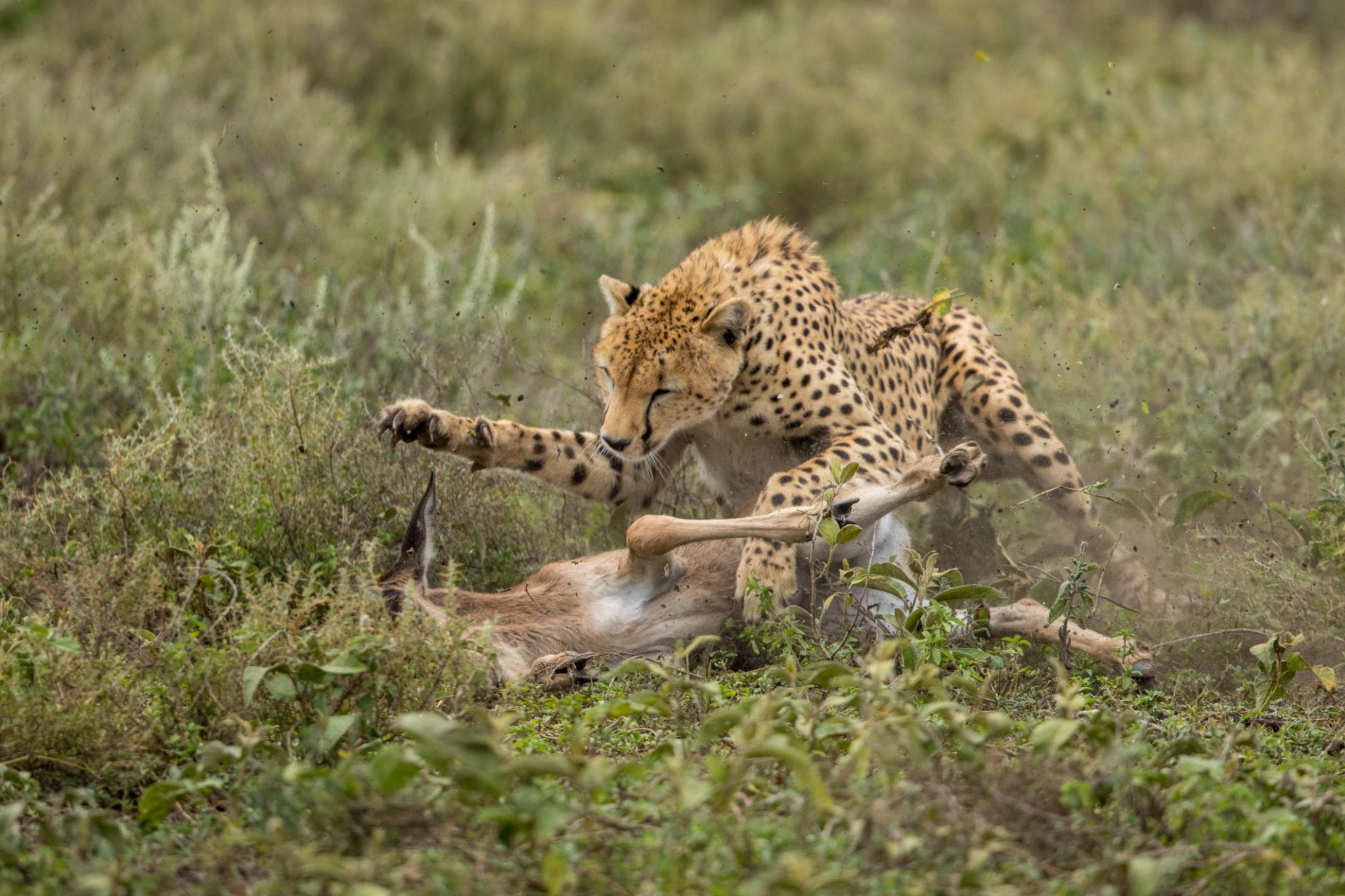
What Makes Tanzania Special?
- Exceptional wildlife: Tanzania is home to elephants, lions, leopards, buffaloes, rhinos, giraffes, zebras and many other species.
- The Great Migration: Witness one of the world's most remarkable wildlife movements across the Serengeti ecosystem.
- Beautiful landscapes: Explore vast plains, volcanic craters, forests, lakes and mountain scenery.
- Mount Kilimanjaro: Visit Africa's highest mountain and take on one of the continent's most famous trekking adventures.
- Zanzibar beaches: Extend your safari with white-sand beaches and Indian Ocean experiences.
- Cultural experiences: Learn about Tanzania's communities, traditions, food and everyday life.
Best Time to Visit Tanzania for a Safari
Tanzania can be visited throughout the year, but the experience changes depending on the season, destination and type of wildlife activity you hope to see. The dry season generally offers easier wildlife viewing because vegetation becomes thinner and animals often gather around available water sources.
June to October: The Dry Season
The period from June to October is one of the most popular times for a Tanzania safari. Wildlife is often easier to spot in open areas, roads are generally drier and the weather is usually pleasant. This season is particularly popular for visits to the Serengeti, Tarangire and Ngorongoro Conservation Area.
November to December: Short Rains
Short rains usually arrive around November and may continue into December. The landscape becomes greener, migratory wildlife begins moving towards the southern Serengeti and Ndutu region, and birdwatching opportunities improve. Rainfall patterns vary from year to year.
January to March: Calving Season
The southern Serengeti and Ndutu plains are especially rewarding during the calving season. Large numbers of wildebeest give birth, attracting predators such as lions, cheetahs and hyenas. This is a particularly exciting period for photographers and wildlife enthusiasts.
April to May: Long Rains
April and May are generally the wettest months in many parts of northern Tanzania. Some tracks may become muddy, and afternoon showers are common. However, the scenery is lush and beautiful, visitor numbers can be lower, and certain properties offer attractive seasonal rates.
Travel tip: The best time for your safari depends on the parks you want to visit and the experiences you want to enjoy. If you are interested in the Great Migration, plan your route around the expected movement of the herds rather than relying only on general seasonal dates.
| Period | Season | Safari Highlights |
|---|---|---|
| January – March | Green season / calving | Wildebeest calving in Ndutu and southern Serengeti |
| April – May | Long rains | Lush scenery, fewer visitors in many areas |
| June – October | Dry season | Excellent general wildlife viewing and migration movement |
| November – December | Short rains | Green landscapes and movement towards the southern plains |
Understanding the Great Wildebeest Migration
The Great Wildebeest Migration is one of the most extraordinary wildlife events on Earth. Each year, more than a million wildebeest, accompanied by large numbers of zebras and gazelles, move through the Serengeti ecosystem in search of fresh grass and water.
The migration is not a single event that happens in one place. It is a continuous movement influenced by rainfall, grazing conditions and the availability of water. The herds move between the southern plains, central Serengeti, western corridor and northern Serengeti before their journey continues into Kenya's Maasai Mara ecosystem.
Where to See the Migration
- Ndutu and southern Serengeti: Particularly important during the calving season, usually around January to March.
- Central Serengeti: Offers year-round wildlife viewing and can provide opportunities to encounter migrating herds at different times.
- Western Serengeti: Herds may move through the western corridor around May and June, depending on rainfall.
- Northern Serengeti: Often associated with the dramatic Mara River crossing season, commonly around July to October, although timing varies.
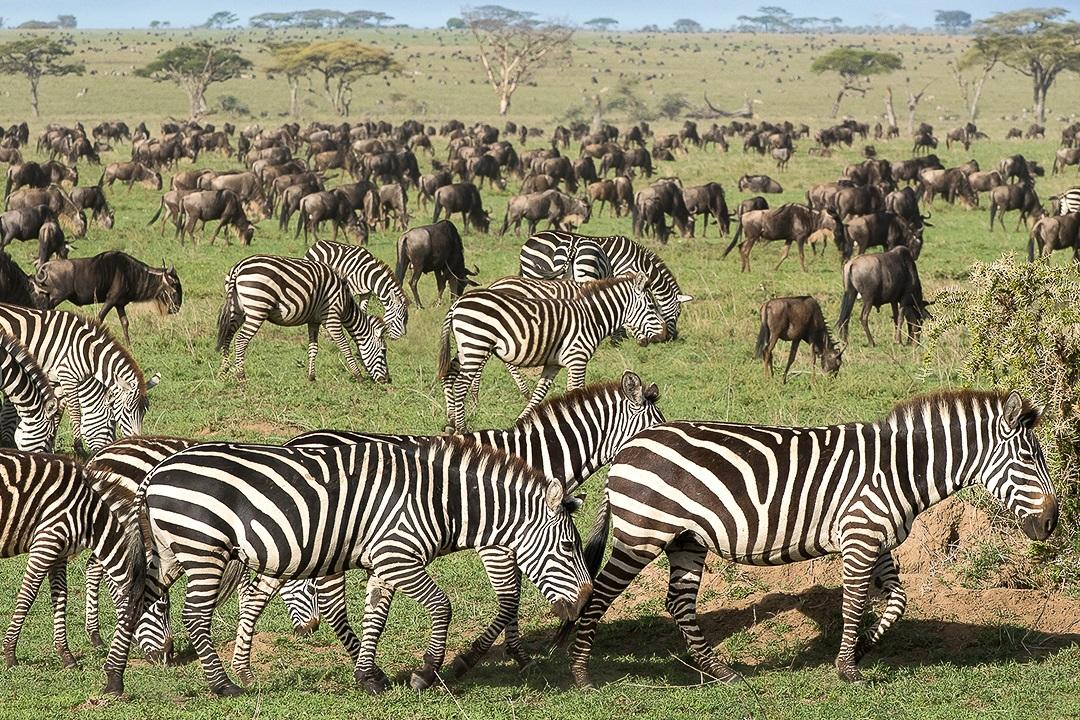
River crossings are among the most famous migration scenes, but they are not guaranteed. Herds may gather near a river for hours or days before crossing, and their movements are difficult to predict. A well-planned safari should allow enough time in the relevant region to improve your chances of witnessing the migration.
Important: Migration dates are approximate. Rainfall and local grazing conditions influence where the herds will be at any given time. Always request updated information before confirming a migration-focused itinerary.
Best National Parks and Destinations in Tanzania
Tanzania has many outstanding national parks and conservation areas. The northern safari circuit is particularly popular for first-time visitors because it brings together several famous destinations within a relatively manageable travel route.
Serengeti National Park
The Serengeti is one of Africa's most celebrated wildlife destinations. Its vast grasslands support large populations of lions, elephants, leopards, cheetahs, giraffes, zebras and wildebeest. The park is also central to the Great Migration and offers different experiences throughout the year.
Ngorongoro Conservation Area
The Ngorongoro Crater is a spectacular volcanic caldera with a rich concentration of wildlife. Visitors may encounter lions, elephants, buffaloes, zebras, hippos and, with luck, the endangered black rhino. The crater's dramatic scenery makes it one of Tanzania's most memorable safari locations.
Tarangire National Park
Tarangire National Park is famous for its impressive elephant herds, ancient baobab trees and seasonal wildlife concentrations along the Tarangire River. It is an excellent destination for visitors interested in elephants, birds and beautiful savannah landscapes.
Lake Manyara National Park
Lake Manyara is known for its diverse habitats, including groundwater forests, open grassland and the alkaline lake. The park supports elephants, baboons, hippos, giraffes and a wide variety of birds. It can be a rewarding addition to a northern circuit safari.
Arusha National Park
Arusha National Park offers forest scenery, crater lakes, Mount Meru views and opportunities for walking safaris with an armed ranger. It is a convenient destination for travellers staying in Arusha before or after a longer safari.
Ruaha National Park
Ruaha National Park is a major wildlife destination in southern Tanzania, known for its remote atmosphere, rugged landscapes, elephants and large predator populations. It is suitable for travellers looking for a quieter safari experience.
Nyerere National Park
Nyerere National Park, part of the wider Selous ecosystem, offers river-based experiences, boat safaris in designated areas and traditional game drives. Its varied habitats make it an interesting option for visitors exploring southern Tanzania.
Gombe Stream National Park
Gombe Stream National Park is famous for chimpanzee research and trekking experiences. Located along Lake Tanganyika, it provides a very different experience from the savannah parks of northern Tanzania.

Wildlife You Can See on a Tanzania Safari
Tanzania is home to an extraordinary variety of wildlife. The species you encounter will depend on the parks you visit, the season, habitat conditions and the time spent in the field. Game drives with experienced guides provide opportunities to observe animals in their natural environment.
The Big Five
- Lion: Lions are found in several Tanzanian parks and are often seen resting, hunting or moving in family groups called prides.
- Leopard: Leopards are elusive cats that are sometimes spotted resting in trees or moving through woodland areas.
- African elephant: Tanzania supports important elephant populations, including impressive herds in Tarangire and other protected areas.
- African buffalo: Buffaloes are commonly seen in herds across many grassland and woodland habitats.
- Black rhinoceros: One of the most endangered large mammals, with protected populations including the Ngorongoro Crater.
Other Animals to Look Out For
Other wildlife includes cheetahs, giraffes, zebras, wildebeest, hyenas, jackals, hippos, crocodiles, warthogs, impalas, gazelles, baboons and many other species. Bird lovers can also enjoy a rich variety of resident and migratory birds.
Wildlife sightings are never guaranteed. A good safari guide uses experience, knowledge of animal behaviour and current field conditions to help visitors find wildlife while respecting the animals and their environment.
Types of Tanzania Safari
Tanzania offers several safari styles to suit different travel preferences, group sizes and budgets. Understanding the options will help you choose an experience that matches your expectations.
Private Safari
A private safari gives you a dedicated vehicle and guide. You can travel at your own pace, choose your preferred accommodation and adjust the itinerary to suit your interests. This is a popular option for couples, families and small groups.
Group Joining Safari
Group joining safaris allow travellers to share a vehicle and some trip costs with other guests. They can be a practical option for solo travellers or visitors working with a more limited budget. Group sizes, departure dates and accommodation arrangements vary by operator.
Luxury Safari
Luxury safaris focus on premium accommodation, attentive service, carefully selected locations and comfortable travel arrangements. They may include luxury tented camps, lodges and, depending on the itinerary, domestic flights.
Mid-Range Safari
Mid-range safaris combine comfortable accommodation with quality guiding and well-organised game drives. They are suitable for travellers who want a rewarding safari without choosing the highest-priced lodges.
Budget Camping Safari
Camping safaris offer a closer connection to the natural environment. Guests stay at designated campsites and experience the adventure of sleeping in a tent. The level of comfort and included facilities depends on the operator and campsite.
Photographic Safari
Photographic safaris are planned around wildlife photography. They may include longer game drives, carefully selected locations, flexible schedules and guides familiar with animal behaviour and photography requirements.
How Many Days Do You Need for a Tanzania Safari?
The ideal safari duration depends on your interests, available time, budget and the number of destinations you want to visit. While shorter trips can offer rewarding wildlife encounters, spending additional days allows you to explore more areas without rushing between parks.
2 to 3 Days
A short safari can focus on Tarangire and Ngorongoro, or another combination of nearby destinations. It is suitable for travellers with limited time, although it offers less flexibility for exploring the wider northern circuit.
4 to 5 Days
Four or five days can provide a rewarding introduction to Tanzania's northern parks. An itinerary may include Tarangire, Serengeti and Ngorongoro, depending on travel distances and the accommodation selected.
6 to 7 Days
A six- or seven-day safari allows more time in the Serengeti and the opportunity to combine several famous destinations. It is a popular duration for first-time visitors who want a balanced wildlife experience.
8 to 10 Days
Longer itineraries allow travellers to explore different parts of the Serengeti, spend more time in selected parks and enjoy a more relaxed pace. This duration is particularly useful for migration-focused or photography-oriented trips.
10 Days or More
With ten days or more, you can consider a more extensive northern circuit, a southern Tanzania safari or a combination of wildlife, culture, trekking and Zanzibar beach experiences.
Our recommendation: For a first visit to Tanzania, six to seven days is a good starting point for exploring the northern safari circuit. The final itinerary should reflect your arrival and departure times, preferred parks and travel budget.
How Much Does a Tanzania Safari Cost?
The cost of a Tanzania safari varies depending on the travel season, number of travellers, accommodation standard, number of days, park fees, transport arrangements and services included in the package.
Private safaris generally cost more per person for smaller groups because the vehicle, guide and other operating expenses are shared among fewer guests. Larger groups may benefit from lower per-person costs, depending on the accommodation and itinerary.
What Affects the Price?
- Accommodation: Budget campsites, mid-range lodges and luxury tented camps have different rates.
- Park and conservation fees: Fees vary by destination and visitor category and can form a significant part of the total cost.
- Season: High-demand periods and popular migration locations may have higher accommodation rates.
- Group size: The number of travellers affects the per-person cost of transport and guiding.
- Transport: Road safaris and domestic flights have different cost structures.
- Trip duration: Longer safaris involve additional accommodation, meals, park fees and vehicle expenses.
What Is Usually Included?
A safari package may include a private 4x4 safari vehicle, professional driver-guide, accommodation, meals as specified, park entry fees, game drives and drinking water in the vehicle. Some packages may also include airport transfers and selected activities.
What May Not Be Included?
International flights, travel insurance, visa fees, tips, personal expenses, alcoholic beverages and optional activities are often excluded unless specifically stated in the quotation. Always review the inclusions and exclusions before paying a deposit.
Before booking: Request a written quotation showing the accommodation, daily itinerary, included services, excluded expenses, payment schedule and cancellation policy. Compare packages based on what they include, not only on the advertised price.
Safari Accommodation in Tanzania
Tanzania offers a wide range of safari accommodation, from public campsites and simple lodges to luxury tented camps and exclusive safari properties. The right option depends on your budget, preferred level of comfort and the locations you want to explore.
Public Campsites
Public campsites offer a more adventurous experience and are often used on budget camping safaris. Facilities vary, but they generally provide basic shared amenities. Travellers should understand the camping arrangements and equipment provided by their operator.
Safari Lodges
Safari lodges provide permanent accommodation, usually with private rooms, bathrooms, dining facilities and other guest services. They are available in different comfort categories and locations around Tanzania's parks.
Tented Camps
Tented camps combine a safari atmosphere with varying levels of comfort. Many feature spacious canvas accommodation, private bathrooms, comfortable beds and dining areas. Luxury tented camps may offer additional services and premium facilities.
Luxury Safari Camps
Luxury camps focus on personalised hospitality, carefully designed accommodation and distinctive settings. Some are positioned in areas associated with seasonal wildlife movements, making location an important part of the experience.
When selecting accommodation, consider its location, transfer time to the park, meal arrangements, room facilities, guest reviews and seasonal operating schedule.
Transportation During a Tanzania Safari
Most northern Tanzania safaris are conducted in specially adapted 4x4 safari vehicles. These vehicles are designed for travel on a variety of roads and tracks and typically feature elevated seating, large windows and a pop-up roof for wildlife viewing.
4x4 Safari Vehicles
A well-maintained 4x4 vehicle is important for comfort and safety, particularly when travelling on rough roads or during rainy periods. Before confirming your booking, ask about the vehicle type, seating capacity, luggage space and whether the vehicle is private or shared.
Domestic Flights
Domestic flights can connect major safari areas and reduce long road journeys. They are useful for travellers visiting remote destinations, combining northern and southern Tanzania or continuing to Zanzibar. Baggage restrictions may apply, so check the airline's requirements before departure.
Airport Transfers
International visitors commonly arrive through Kilimanjaro International Airport or Julius Nyerere International Airport in Dar es Salaam. Arusha Airport is also used for some domestic safari connections. Your tour operator can help arrange transfers according to your itinerary.
Visa and Entry Requirements for Tanzania
Many international visitors require a visa to enter Tanzania. Visa requirements depend on nationality, travel purpose, passport type and current immigration rules. Some travellers may be eligible for visa-free entry, while others must obtain a visa before travelling or on arrival where permitted.
Visitors should ensure that their passport is valid for the required period, has sufficient blank pages and meets the entry requirements applicable to their nationality. It is also important to have accommodation details, return or onward travel information and any other documents requested by immigration authorities.
Where to Check Visa Information
For current information and official application procedures, consult the Tanzania Immigration Department before travelling:
Official Tanzania eVisa Portal
Do not rely only on information from travel blogs or third-party visa websites. Requirements can change, and the official immigration website is the best place to confirm the latest rules for your nationality.
Health and Safety Tips for Your Tanzania Safari
Preparing for a safari includes understanding health recommendations, travel insurance, local conditions and basic safety practices. Visitors should seek advice from a qualified travel health professional well before departure, especially when visiting multiple regions or travelling for an extended period.
Travel Health Advice
Depending on your itinerary and travel history, you may need to discuss vaccinations, malaria prevention and other health precautions with a medical professional. Yellow fever vaccination documentation may be required in certain circumstances, including some journeys involving travel from countries with yellow fever transmission risk.
Travel Insurance
Comprehensive travel insurance is strongly recommended. Check that your policy covers medical expenses, emergency evacuation, trip interruption, baggage and the specific activities included in your itinerary. Mountain trekking may require additional cover.
Wildlife Safety
- Always follow your safari guide's instructions.
- Remain inside the safari vehicle unless your guide confirms that it is safe to leave.
- Do not approach, feed or attempt to touch wild animals.
- Keep a respectful distance from wildlife and avoid disturbing animals.
- Follow park regulations and designated driving routes.
- Keep your belongings secure and follow accommodation safety guidance.
Health reminder: Health requirements vary by traveller and itinerary. Consult a qualified medical professional or official travel health service for advice specific to your circumstances.
What to Pack for a Tanzania Safari
Packing appropriately can make your safari more comfortable. Temperatures may vary significantly between early mornings, daytime game drives and evenings, especially in highland areas such as Ngorongoro and around the Serengeti.
Clothing
- Lightweight, breathable clothing in neutral colours.
- A warm jacket or fleece for early morning and evening game drives.
- Comfortable trousers and walking shoes.
- A hat or cap for sun protection.
- Sunglasses and a swimsuit if your accommodation has a swimming pool.
- A lightweight rain jacket during wetter months.
Personal Items
- Personal medication and basic toiletries.
- Sunscreen and insect repellent.
- Hand sanitiser and wet wipes.
- Reusable water bottle.
- Small day bag for personal items.
- Travel documents and copies of important reservations.
Photography Equipment
- Camera and suitable wildlife photography lens.
- Extra memory cards and batteries.
- Binoculars for observing distant animals.
- Power bank and charging equipment.
- Dust protection for cameras and electronics.
If your itinerary includes domestic flights, confirm luggage weight and bag-size restrictions with the airline. Some safari flights have stricter baggage limits than international flights.
Responsible Tourism and Conservation in Tanzania
Tanzania's natural heritage depends on the protection of wildlife habitats and the involvement of local communities. Responsible tourism helps support conservation, sustainable livelihoods and the long-term value of protected areas.
Visitors can contribute by choosing responsible tour operators, respecting park regulations, supporting locally owned businesses and reducing unnecessary waste. Simple actions, such as avoiding single-use plastics and keeping a respectful distance from wildlife, can help protect the environment.
How You Can Travel Responsibly
- Respect wildlife and never encourage inappropriate animal interactions.
- Follow your guide's instructions and all national park regulations.
- Choose operators that respect local communities and conservation standards.
- Support local artisans, businesses and community initiatives.
- Avoid littering and minimise unnecessary plastic waste.
- Ask before photographing local people and respect their privacy.
At Aqon Safari Limited, we believe that meaningful travel should create positive experiences for visitors while respecting Tanzania's natural and cultural heritage. We encourage travellers to discover the country thoughtfully and support responsible tourism practices.
Frequently Asked Questions About Tanzania Safaris
1. Is Tanzania a good destination for a first African safari?
Yes. Tanzania offers excellent wildlife viewing, well-known national parks, experienced safari guides and a range of accommodation options. The northern circuit is a popular introduction for first-time visitors.
2. What is the best month to visit Tanzania?
There is no single best month for every safari. June to October is popular for general wildlife viewing, while January to March is especially interesting for the wildebeest calving season in Ndutu and the southern Serengeti.
3. Can I see the Big Five in Tanzania?
Tanzania is home to all five members of the Big Five: lion, leopard, elephant, buffalo and rhinoceros. Sightings are never guaranteed, and the likelihood of seeing each species depends on the destination and conditions.
4. How many days should I spend on safari?
Six to seven days is a good starting point for exploring several northern Tanzania destinations. Shorter and longer itineraries are also available depending on your interests and schedule.
5. Is Tanzania suitable for a family safari?
Yes. Tanzania offers family-friendly lodges and safari experiences. Families should choose accommodation and activities appropriate for the ages of their children and confirm any minimum age requirements before booking.
6. Can I combine a Tanzania safari with Zanzibar?
Yes. Many travellers combine a wildlife safari in northern or southern Tanzania with a relaxing beach holiday in Zanzibar. Domestic flights make this combination convenient for many itineraries.
7. Do I need a private safari vehicle?
A private vehicle provides more flexibility and a personalised experience. Group joining safaris are another option for travellers who are comfortable sharing a vehicle and itinerary with other guests.
8. What currency is used in Tanzania?
The Tanzanian Shilling is the national currency. US dollars are also commonly used for many tourism-related payments, subject to current payment rules and individual business policies. Confirm accepted payment methods with your operator before travelling.
9. Is it safe to go on a safari in Tanzania?
Safaris are generally well organised when visitors use reputable operators and follow their guides' instructions. Wildlife encounters require care, and travellers should follow park rules and normal travel precautions.
10. How do I book a Tanzania safari?
Start by selecting your preferred travel dates, destinations, group size and accommodation category. Contact a reputable safari operator for a detailed itinerary and written quotation, then review the inclusions, exclusions and booking terms before confirming.
Ready to Discover Tanzania?
Let Aqon Safari Limited help you plan a memorable Tanzania adventure. Whether you dream of exploring the Serengeti, discovering the Ngorongoro Crater or combining your safari with Zanzibar, our team can help you create an itinerary that matches your interests and travel plans.
Plan Your Tanzania Safari